Concordiatra A Harmonious Pilgrimage to the Stars
A comprehensive design study for a multi-generational interstellar colony ship. 20,000 people depart Mars L5 orbit in the 2130s. 3,700 years and 150+ generations later, their descendants arrive at Proxima Centauri.
Explore the ShipMission Parameters
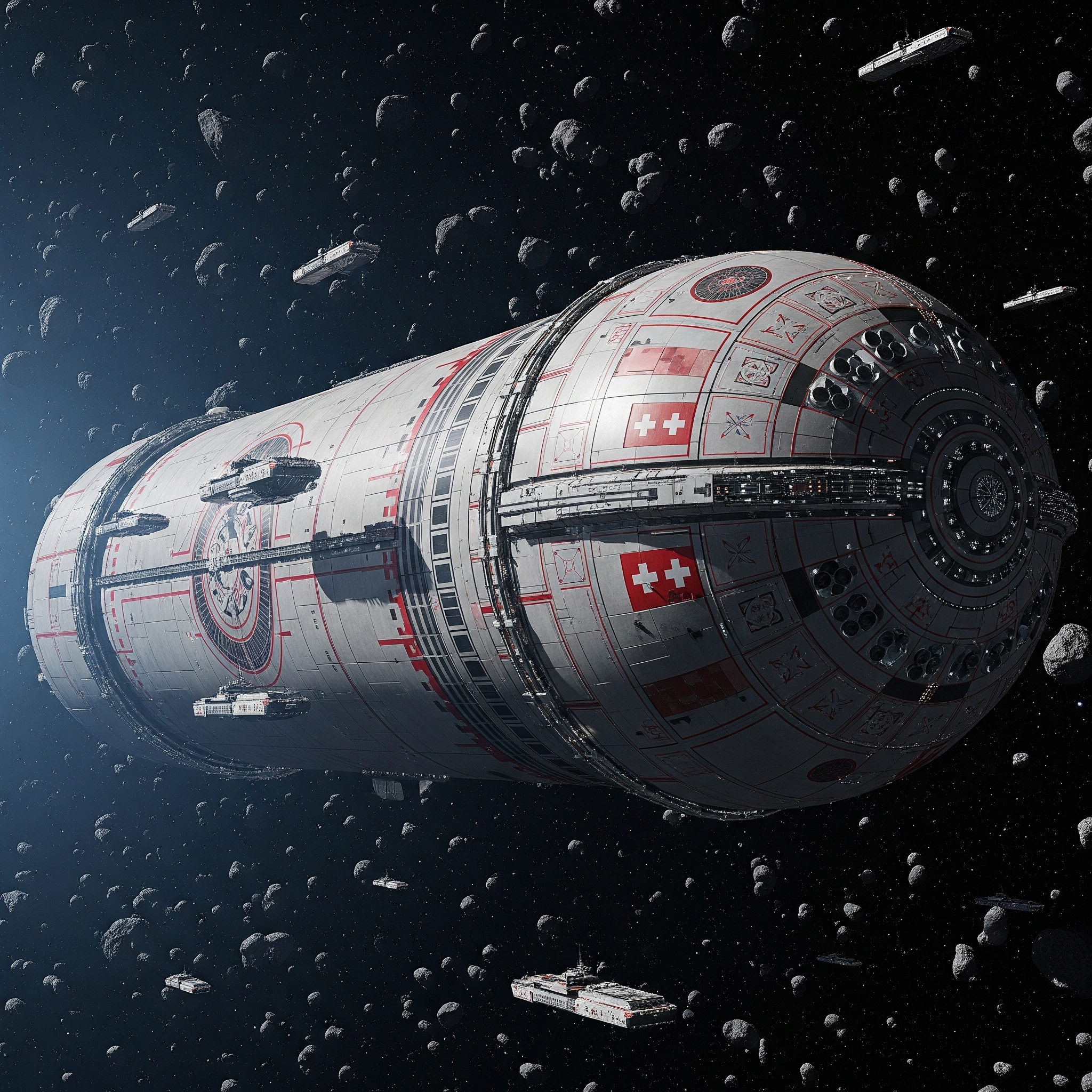
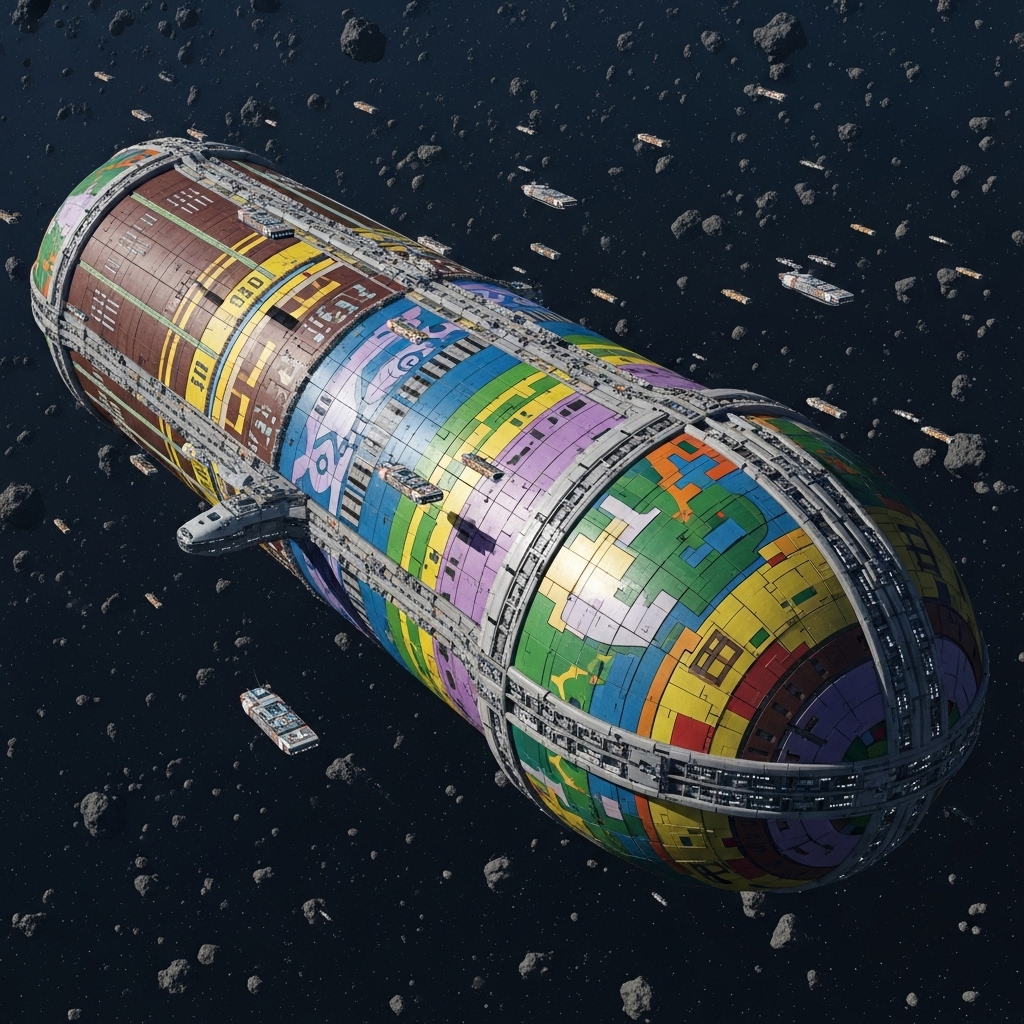
Concordiatra is a single rotating cylinder—13.6 km long and 3.6 km in diameter—constructed from asteroid-mined high-nickel taenite at Mars L5. Rotating at 0.705 RPM, it provides a full 1.0g of artificial gravity at its rim, where 113 square kilometers of interior surface area support residential communities, agricultural terraces, industrial zones, research facilities, and the transit core that runs its full length.
The name fuses Concordia (Latin: harmony through diversity) with Yatra (Sanskrit: purposeful spiritual journey). Pronounced kon-KOR-dee-AH-tra, it embodies the mission's core principle: humanity can create harmony not by eliminating differences, but by learning to travel together across the vast distances between stars.
Explore This Project
Technical Specifications
11 radial zones, 540,000 VASIMR thrusters, 12 longitudinal bulkheads. Explore the full engineering breakdown and interactive 3D wireframe model.
The Journey3,700-Year Voyage
Interactive animation of the full flight profile from Mars L5 departure through acceleration, cruise, and deceleration to Proxima Centauri arrival.
The ScienceEngineering Analysis
Propulsion trade studies, asteroid-mined construction materials, population genetics for 93 generations, and optimal departure window analysis.
The PeopleCulture & Governance
How do you build a civilization that endures for 3,700 years? Governance architecture, cultural transmission, conflict resolution, and identity formation.
Ship SystemsStructural Monitor
Real-time structural integrity dashboard with 48,000 simulated sensors, hoop stress calculations, and multi-generational fatigue modeling.
Concept Renderings
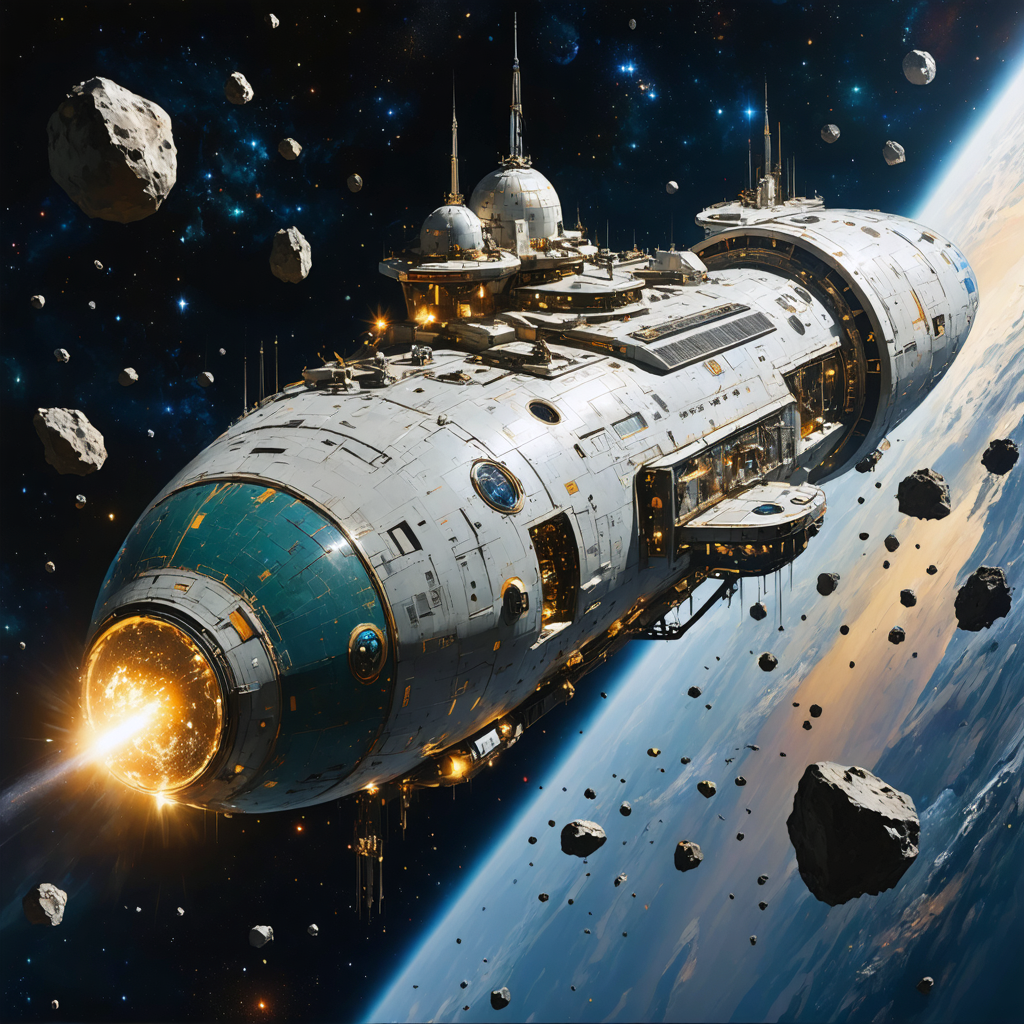
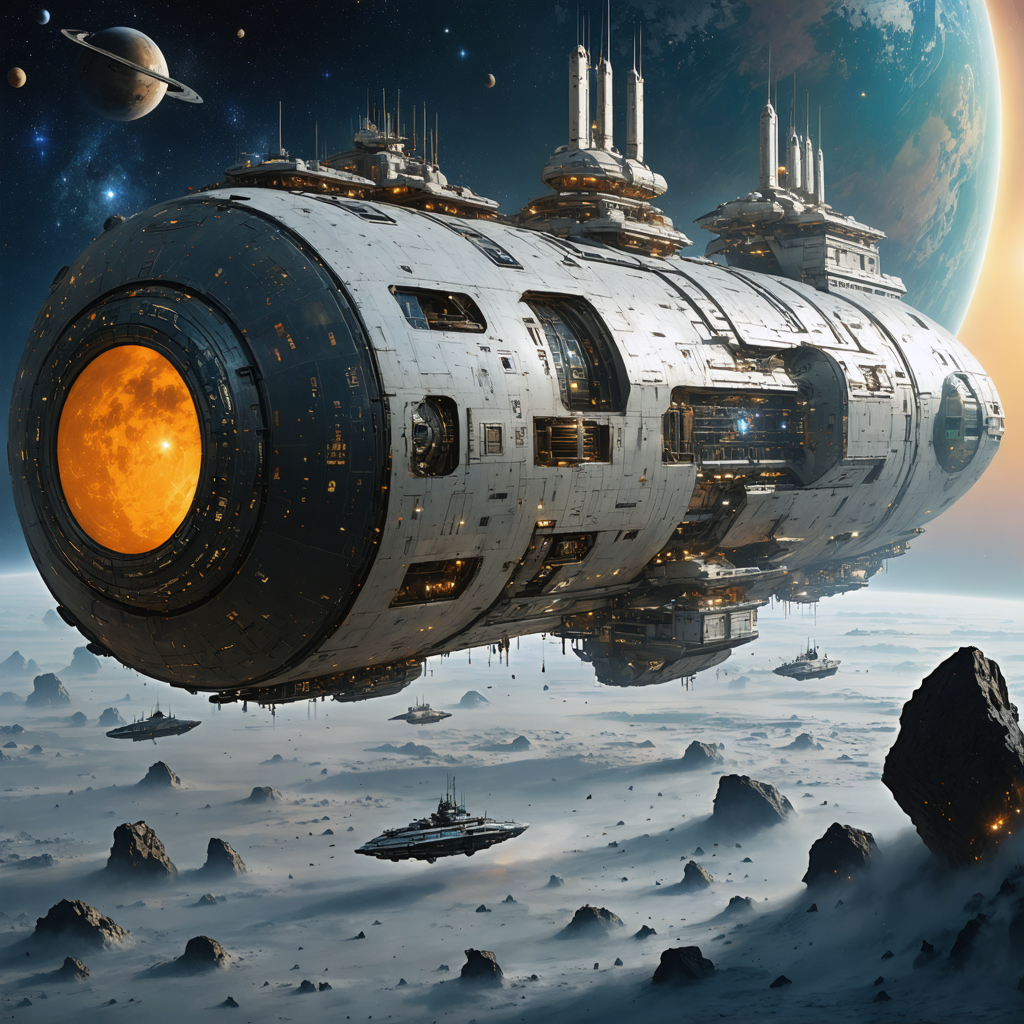
AI-generated visualizations exploring the exterior appearance of Concordiatra during construction at Mars L5 and in interstellar transit.